
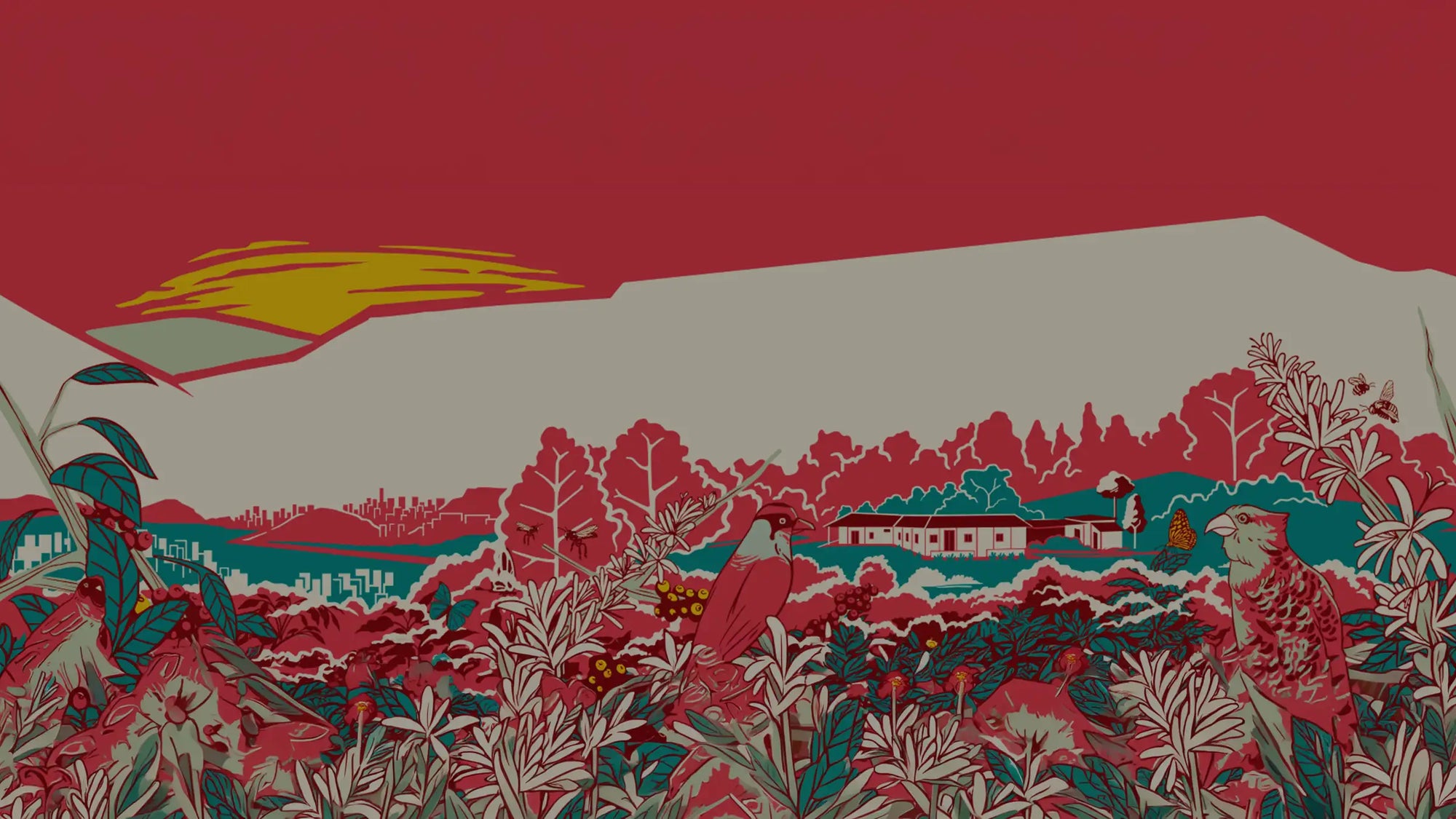
Origen MedellínUna fincacafeteravivaen
Una fincacafeteravivaen
Medellín
Café de especialidad, cultura y experiencias que honran nuestra tierra y a quienes la hacen posible.
Elige cómo vivir Capilla


Nuestra historia
Tradición que florece, futuro que inspira.
Capilla del Rosario Café nace en una finca en las montañas de Antioquia y hoy vive en el corazón de Medellín. Honramos el trabajo de generaciones cafeteras y lo compartimos contigo en cada taza y cada experiencia.
Lo que vivirás en Capilla
-
Llegada
Te damos la bienvenida.
-
Origen
Conecta con nuestra finca y su historia.
-
Proceso
Descubre el camino del grano a la taza.
-
Degustación guiada
Explora aromas, sabores y matices.
-
Aprendizaje
Conoce, pregunta y comparte.
-
Gift shop
Lleva contigo lo mejor de Capilla.
En el corazón de Medellín
Un refugio cafetero en la ciudad.
Visítanos en el barrio Rodeo Alto en Medellín a solo 15 minutos del poblado.